

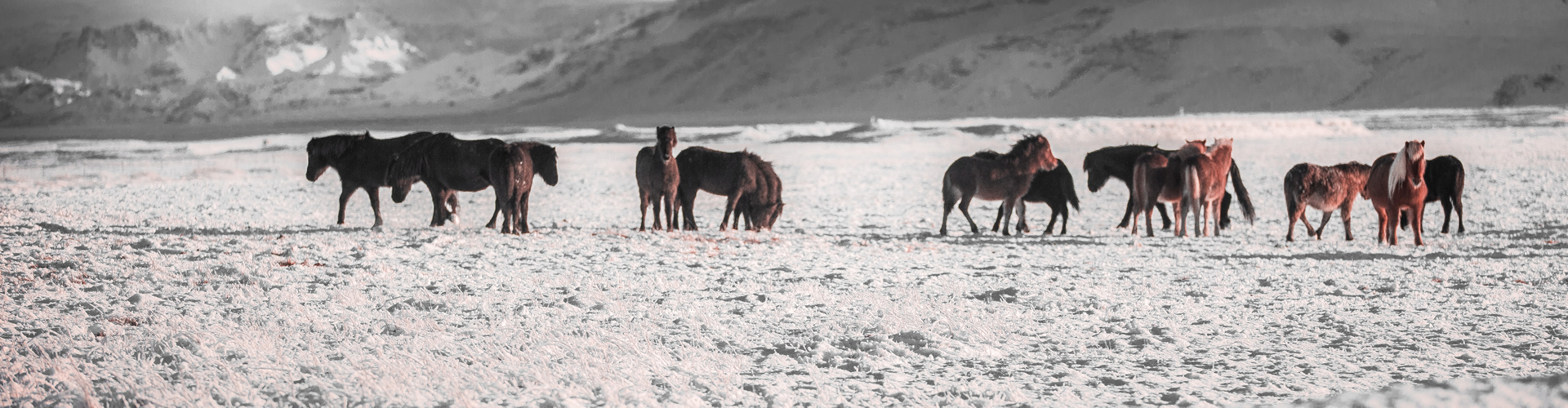

wild-horses

First Thing Tuesday

This BLOG is intended to help conservation organizations and land trusts pursue excellence in all aspects of their conservation endeavors. I welcome your comments and feedback to these posts.

The Nonprofit Starvation Cycle was coined (as far as I know) by Ann Goggins and Don Howard in a post published in the Stanford Social Innovation Review way back in 2009. The point in their post was that nonprofits were NOT spending enough on information...

We ask our communications and engagement events to help educate people about the importance of conservation work. But we don’t ask our communications to help donors talk about conservation and the need for conservation investors....

Board members who give money and never show up themselves to volunteer would not be tolerated very long. No one ever questions this. So why do we question it when it comes to giving time and never giving money? ...

Annual one-on-one interviews with directors is a sign of good leadership. It can open channels of communication, alleviate anxiety, improve organizational comradery and morale, recognize performance, and improve efficiency and effectiveness. ...

You WANT donors and non-donors alike to attend your events. You want donors to feel some level of pride in the mission successes you are delivering. And you want non-donors to wonder what they’re missing. So, differentiate between current donors and non-donors at the events....

In my perfect land trust world, membership would ALWAYS be a gift. And the denomination of the gift would ALWAYS be determined by the giver, not by the organization. So $5 would be a membership. And $5,000 would be a membership....

Having a theme running through will create the possibility for connection, convergence, and leverage. Your work will be more memorable, and more likely to be retained. Pro-Tip: want some help finding a theme? Look for one in your Organizational Values of Guiding Principles....