


23 Jun Fish Ladders and Project Prospecti
23 June 2026
By David Allen, Development for Conservation
We were talking fish ladders.
One of the things I like most about my work is that I am always learning. People everywhere are doing incredible things on the land and water. I get to see the very real benefits of conservation work firsthand. Dams removed. Prairies restored. Systems re-established. Makes for great storytelling.
And I can bring a donor perspective to the table.
The problem at hand was that many of the culverts on the river were set up too high. The culvert did a great job of moving water under the roadway without damaging the roadbed. It did a lousy job helping fish get upstream, because most of the year, the outlet was a full four feet above the surface of the stream.
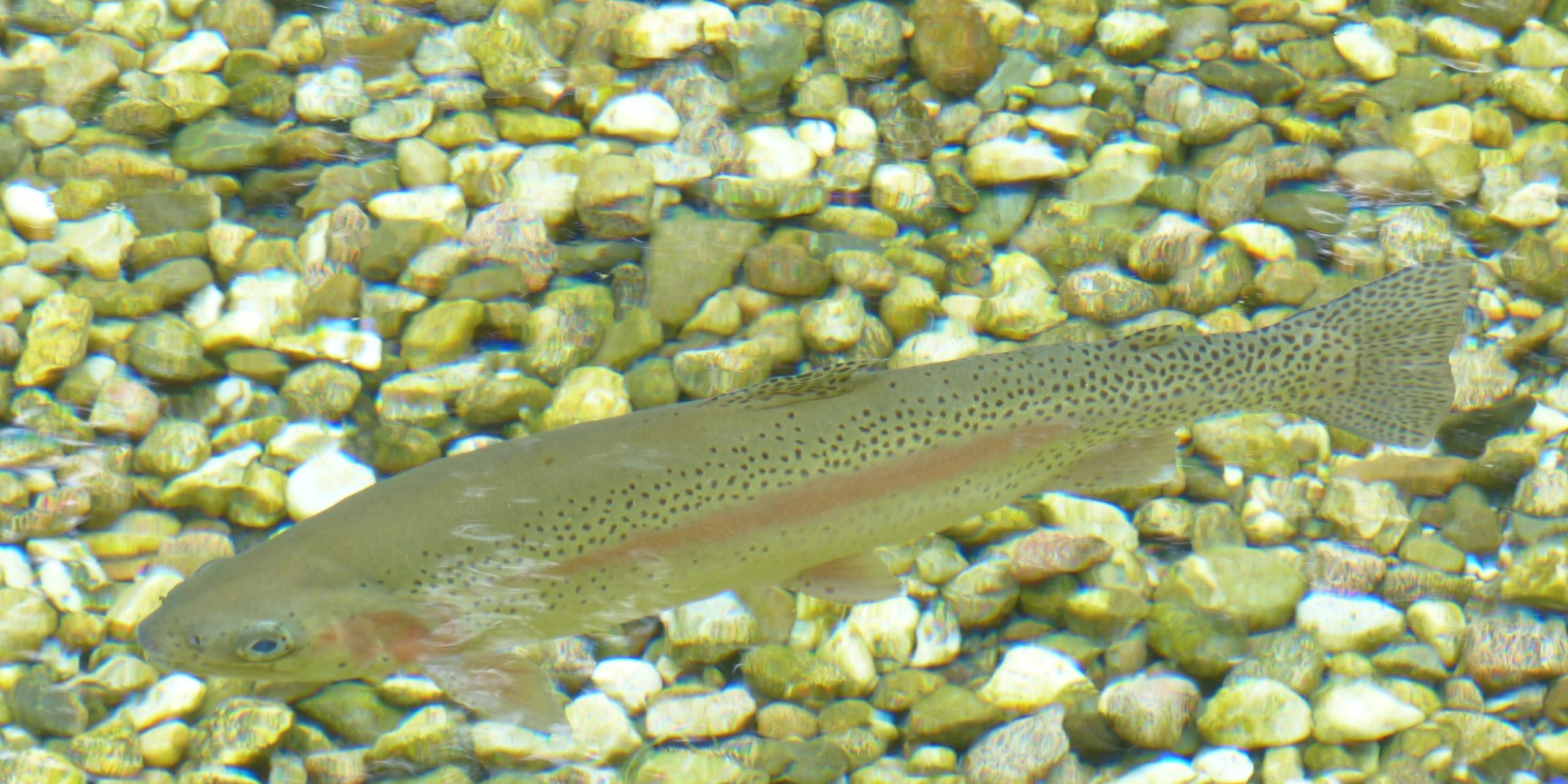
“We finished the ladder and within five minute a rainbow trout made its way up the ladder.”
Whoa. Back up. Within 5 minutes?
“Yeah. It’s like that fish had been waiting decades for this spot to get ‘fixed’ so it could spawn upstream.”
OK – that’s compelling. I can use that. How much does a fish ladder cost?
“Well it depends.”
The conversation got me thinking. Why don’t we know this information? The story is compelling. The project is real. And it’s easy to imagine a donor seeing him or herself making a difference. Why can’t we answer? Why haven’t we anticipated the question?
Answer to both: Because we aren’t thinking in this way yet.
Now imagine that you had an attractive, colorful, single sheet of paper that you could pull out of your satchel – like a prospectus – that had most of the answers on it.
Johnson Road Culvert Fish Ladder Project
- Project Description
- Problem Statement – Why is This Important?
- Proposed Solution – Fish Ladder
- Locator Map and Directions
- Pretty Picture (Maybe a Before and After?)
- Cost Estimate and Existing Financial Leverage
- Donors already Committed
Not a lot of words – no jargon. Just plain statements about what was being done and why.
What would it take to prepare such a prospectus for your most important projects? Each one would need to be updated as new donors committed and the amount left to be raised gets gradually reduced, but otherwise they could be downloadable to a color printer as they were needed. You might even carry a binder of them as you meet with donors.
You would want to make sure it can help donors at several different levels imagine making a difference. (See also “Equivalency Language.”) You would also want to include a couple of projects that have been fully subscribed to show that you have been making progress.
And if they were in an online folder, any staff member or Board Director could access them as needed.
Here’s the point: Regardless whether you might do three such documents or thirty, the discipline of preparing them will help you visualize actually asking for the money. When goals feel finite, they seem possible, too. That’s true for you. That will be true for donors also.
And when a donor asks you how much projects like this cost, you’ll know the answer.
Let’s crowdsource this: If you have examples of standardized project data sheets, or prospecti, that I can share with others on my Resources page as examples, please forward them to me (pdfs please), and I’ll post them as I get them.
Cheers, and have a great week.
-da
PS: The word “prospectus” comes to English directly from the Latin “prospectus” meaning “a lookout or a view.” According to the Mirriam-Webster Online Dictionary, the plural of “prospectus” is “prospectuses.” I like “prospecti” better. Let me know if you agree. (Doesn’t make me right.)
PPS: Your comments on these posts are welcomed and warmly requested. If you have not posted a comment before, or if you are using a new email address, please know that there may be a delay in seeing your posted comment. That’s my SPAM defense at work. I approve all comments as soon as I am able during the day.
Photo by Hans courtesy of Pixabay.
HWLC Office
Posted at 13:39h, 25 JuneI make these regularly for our projects, honestly the number is always rounded, and I usually ball park it. We can always shoot a budget over to the donor if they really want details. The main point is that it is a professional looking flyer/doc with a picture of the property, maybe a map and A LOT of meaningful statements. I personally do not like the look of printed flyers from the office printer, or a board members okidata printer at their cabin! I opt to get them printed through canva or some other service for a quality controlled document, the pricing is not that bad in the grand scheme of things. I also include a QR code on the document to the projects landing page on our website for fundraising updates and more details. It is far easier to change the website than to keep reprinting.
A.B.
Posted at 07:15h, 23 JuneA note from the sidelines: THE perfect number is not the point. I was told “depends” so many times I lost count. What wood will you use? How many board feet? But the cost of wood is variable, what number do we use? Will a volunteer assemble and install it or a staffer? Should we include staff time for quarterly inspection? What about a percent of the ED’s time for making it possible? Do we include benefits? Lost in all of this is the point: Turning our work into stories that encourage aligned generosity. Folks insisting we release only perfect numbers derailed every attempt I ever made to create prospecti (perhaps that’s cuz I called them prospectuses, a much less playful term) — and I regret not pushing harder to let the story reach into donors’ hearts, precision be damned. The point was never to parcel giving into dozens of designated funds, but to inspire with tangible, meaningful actions being taken in the real world thanks to donors’ generosity. If updating the list of names and current amount raised up-to-date as David outlines above seems daunting, considering simplifying even further. What’s the project? Why does it exist? Who/what does it benefit and how? What’s it gonna cost (ballpark)? Tell stories about each one at board and staff meetings. Watch whose eyes light up, and let them loose. Have fun, and let the fish climb ladders!!!!!!!
Renee' Carey
Posted at 07:45h, 23 JuneI was nodding my head when I was reading your reply. So, first just wanted to let you know, “you are not alone,” in trying to get precise number people to understand we don’t always needs precise numbers. Second, love the way you broke it down into smaller bites at the end.
David L
Posted at 14:41h, 23 JuneI loved this reply — and the post!