

05 Oct Can We Talk About Websites?
6 October 2026
By David Allen, Development for Conservation
Take a fresh look at your website this week.
It used to be that organizations had websites that were like storefront windows. One could learn about items for sale, services provided, and people involved on the Board or on staff. They also served as credibility stamps. If you had a website, you were legit somehow. People visited to learn whether you were real and how to contact you.
Eventually, websites morphed into places that served a more educational purpose. For conservation groups, it’s been about the technical aspects of easements, native plant and pollinator gardens, and natural history.
I think it’s fair to say that all of these things are important. But it’s time to morph again.
Because I think we’re missing something – something big.
Increasingly, here’s what I’m looking for:
A strong call to action. A clear message that the organization is providing an important opportunity for people to make a difference – through giving.
Mark Phillips makes it plain in one of his recent blog posts:
Look at what is happening.
It doesn’t need to happen.
You can help change it.
Does your website clearly communicate that?
(See also: Development for Conservation | Fish Ladders and Project Prospecti.)
Peer testimonials. Instead of the organization saying that development continues to outpace conservation, have that message delivered by a prominent citizen reminiscing about the way things used to be and helping readers imagine what could still be lost in the next few decades.
Is the important information on your website presented in third person or in first person?
A sense of scale. Perhaps protecting another 80 acres is a huge accomplishment. Perhaps it’s a small fraction of what is needed. Perhaps it’s both!
If so, does your website say so?
A sense that engagement is important and urgent. Readers become volunteers and donors. Volunteers and donors are important pieces of each success story. Conservation successes are their successes.
Does your website clearly communicate that recent land acquisition, easement, restoration, and stewardship successes are their successes?
I also think we should start over with our assumed audience. Instead of providing a place for people to come learn about nature, our websites could assume that people already know about nature. They already know about climate change. They already feel that outdoor experiences are part of a healthy life.
I subscribe to the idea that we don’t need to convince anyone. We don’t need to educate anyone. We need to make it easier for people who are already convinced – who are already educated – to find us. And then we need to give them something to do.
Donors and volunteers need to feel like their gifts and actions will make a difference. They come to the website wondering what they can do. They come already convinced. They come hungry. They need HOPE. They need encouragement.
Does your website deliver hope and encouragement?
Donors will also come looking for social proof. Social Proof means that I feel better about making my own contributions because I know others are making contributions, too. Three, first-person testimonials about their experience giving or volunteering are more valuable as social proof than a statement about how the land trust is supported by 853 members.
For the record, I’m not suggesting that everyone needs to run out and completely revamp their website. What I am suggesting is that as you systematically turn over your content, look at what you are producing through these lenses:
- Is there an obvious and strong call to action?
- Are you including compelling peer testimonials?
- Are you giving people a sense of scale (without overwhelming them)?
- Are you delivering the message that their engagement and participation is important and urgent?
Every article.
Every post.
Every title.
Every page.
Every graphic and photo.
Make it easy for like-minded people to find you.
Make it easy for them to participate.
Make it easy.
Cheers, and have a great week.
-da
PS: Your comments on these posts are welcomed and warmly requested. If you have not posted a comment before, or if you are using a new email address, please know that there may be a delay in seeing your posted comment. That’s my SPAM defense at work. I approve all comments as soon as I am able during the day.
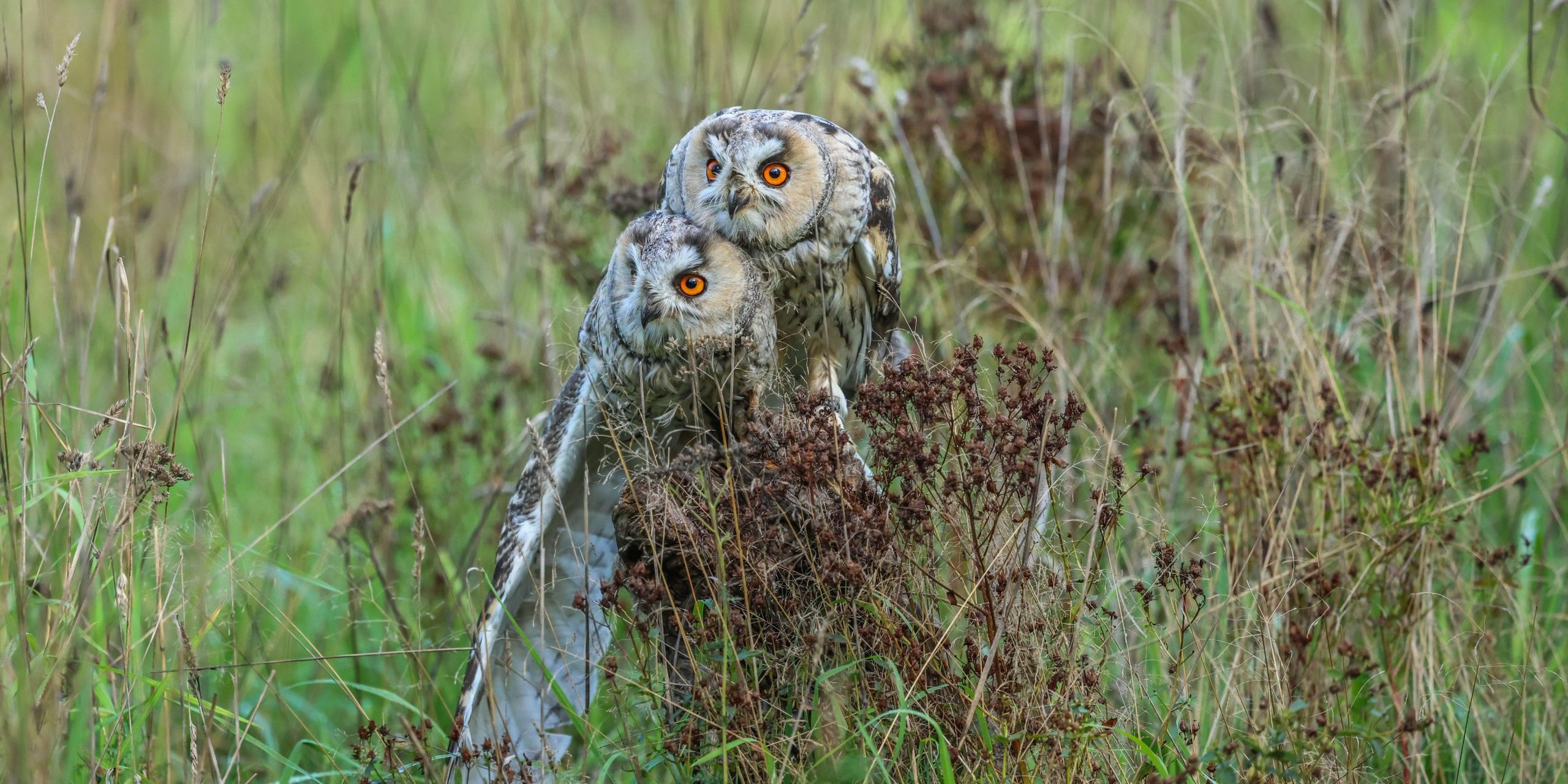
Photo by Carla Manneh – Rombout courtesy of Pixabay.
A.B. Orlik
Posted at 08:38h, 06 OctoberWhat a great piece to share with an ED, a communications person, a project leader, a board member, a web developer… anyone whose less-development-focused lens might be holding a different “to do” list for the website. With all the jobs it’s doing for all the people, a site’s role in capturing this particular kind of attention and action can get lost. You’ve written a wonderful piece to help us advocate. Thank you!
Grace Upham
Posted at 08:21h, 06 OctoberThank you for this! Do you have any websites in mind that meet these criteria well?
David Allen
Posted at 05:31h, 07 OctoberGrace,
Acknowledging that “nothing is perfect,” here are three examples that include many of the elements I wrote about:
Sonoma Land Trust
Five Rivers Land Trust
Bear Yuba Land Trust
Thank you for the question!