

20 Jul Ten Ideas to Help Build a Culture of Philanthropy
21 July 2026
By David Allen, Development for Conservation
I’m interested in your thoughts about building a “Culture of Philanthropy.” (Maybe we can do a Rally presentation on the topic someday.)
One promising definition goes something like this:
Culture of Philanthropy is a set of nonprofit organizational values and practices that support and nurture donor development (building relationships with donors that are deeper than just giving money).
Most of the time, fundraising is seen more of as a necessary evil. Something we are just as happy not to have to do. Like cleaning toilets. We all appreciate it when it’s done and done well, but we’re also very happy to let someone else – anyone else – actually do it.
Ironically, these feelings are sometimes married to something akin to envy – Fundraisers! It’s all just a big party for them. Some of us have to actually work here.
Not exactly a Culture of Philanthropy.
OK, but what would a “Culture of Philanthropy” actually look like? Here’s a start:
Note that I am writing this as if you (reader) are a fundraising professional working with an Executive Director and a Board. If you are an Executive Director, or a Board member (or another volunteer), I trust you can translate this information to your own situation.
(Or call me, and I’ll walk you through it.)
- Most people in the organization act as ambassadors in their communities and engage in building relationships with donors. They talk about how important the mission is and how important donors are to the mission. Not in the sense of the sky is falling. But rather in the sense of here’s something important you should know about. And there’s an opportunity to something about it.
- Everyone in the organization can articulate a case for giving – why the organization needs money.
- Board members are committed to and personally involved in fundraising. This explicitly includes giving themselves.
- The Executive Director is also committed to and personally involved in fundraising. S/he has a small portfolio of donors of her own.
- Donor engagement and cultivation is viewed and valued as a program of the organization.
- Admin and fundraising are not seen as taking away from programs (the less we spend on overhead, the more will be available for stewardship!), but rather as important components of every program (the more we spend on fundraising, the more money will be raised for stewardship!)
- Organizational systems support the act of giving.
It seems to me that there are at least two questions that might make for an interesting Rally session:
What practices (organizational habits) are you doing right now that contribute to a Culture of Philanthropy?
What can you do to create a Culture of Philanthropy if one does not exist now?
I did a quick internet search and assembled the following list from multiple sources, especially the Passionate Giving blog from Veritus Group. Each represents an idea that might foster a Culture of Philanthropy. See what you think:
- Know your donors. Have a set of donors whom you are personally cultivating for future giving. Make a plan for each one, framed in terms of what they will see from you over the course of the next year. Talk about them as conservation partners, share their engagement plans internally, and talk openly about your progress.
- Manage other people who are also raising money. One person can do a lot – especially getting out mail and preparing grant proposals. But it’s going to take more than just one person to build enough donor relationships to support an organization. In addition to the set of donors you are getting to know, make sure your Executive Director and several of your Board members have similar sets. Make sure they have everything they need to engage, solicit, and steward their donors. Monitor their progress, celebrate their successes, and ask them to talk openly about their progress, too.
- Help everyone practice telling organizational stories. This sounds daunting, but it doesn’t need to be. A dinner party, a letter to the editor, a presentation to the civic club, a hosted event on the land – these are all things everyone should be doing every year to help spread the word about the land trust and the value of conservation. Helping Board members and other staff find their voice will be rewarded many times over.
- Help someone (your boss?) manage you. Meet with someone else on a regular basis to review each of the donors you are getting to know. I put “boss” in parentheses because depending on your organization, it could be a Board member or even a peer. You could also manage them at the same time. This built-in accountability is important for maintaining focus.
- Make a presentation at every staff meeting and every Board meeting. Tell stories about donors. Talk about what donors give to be sure, but also talk about WHY they give. Demystify the process.
- Change the fundraising paradigm. First think about the land trust helping donors achieve something they want to see done instead of the other way around. But second, instead of finding good ideas and asking where will the money come from, find good ideas and think through the people we know who might be interested. Help Board members and other staff make these changes as well. We do this already with foundation and agency funders. We just need to extend the same thinking to individual donors.
- Periodically take a Board member to lunch. Use the meeting to discuss fundraising in general and specific donors in particular. Perhaps the Board member knows them or knows them well – seek their advice. Perhaps they do not know them at all – might they be willing to go with you the next time you get a meeting?
- Participate in program work. Break down the silos. Integrate. Make it a point to visit new projects. Participate on volunteer work parties. Visibly celebrate programmatic successes. Buy lunch or beer (or champagne!) every once in a while.
- Bring donors into the office. Introduce them to program staff. Invite them to share stories about why they first decided to give and/or why they still do.
- Bring the donors into the organization, too. See Campfires and Warmth and Donor Communications.
I’m interested in what a “Culture of Philanthropy” looks like at your land trust. What practices (organizational habits) are you doing right now that contribute to a Culture of Philanthropy?
Cheers, and have a great week.
-da
PS: Your comments on these posts are welcomed and warmly requested. If you have not posted a comment before, or if you are using a new email address, please know that there may be a delay in seeing your posted comment. That’s my SPAM defense at work. I approve all comments as soon as I am able during the day.
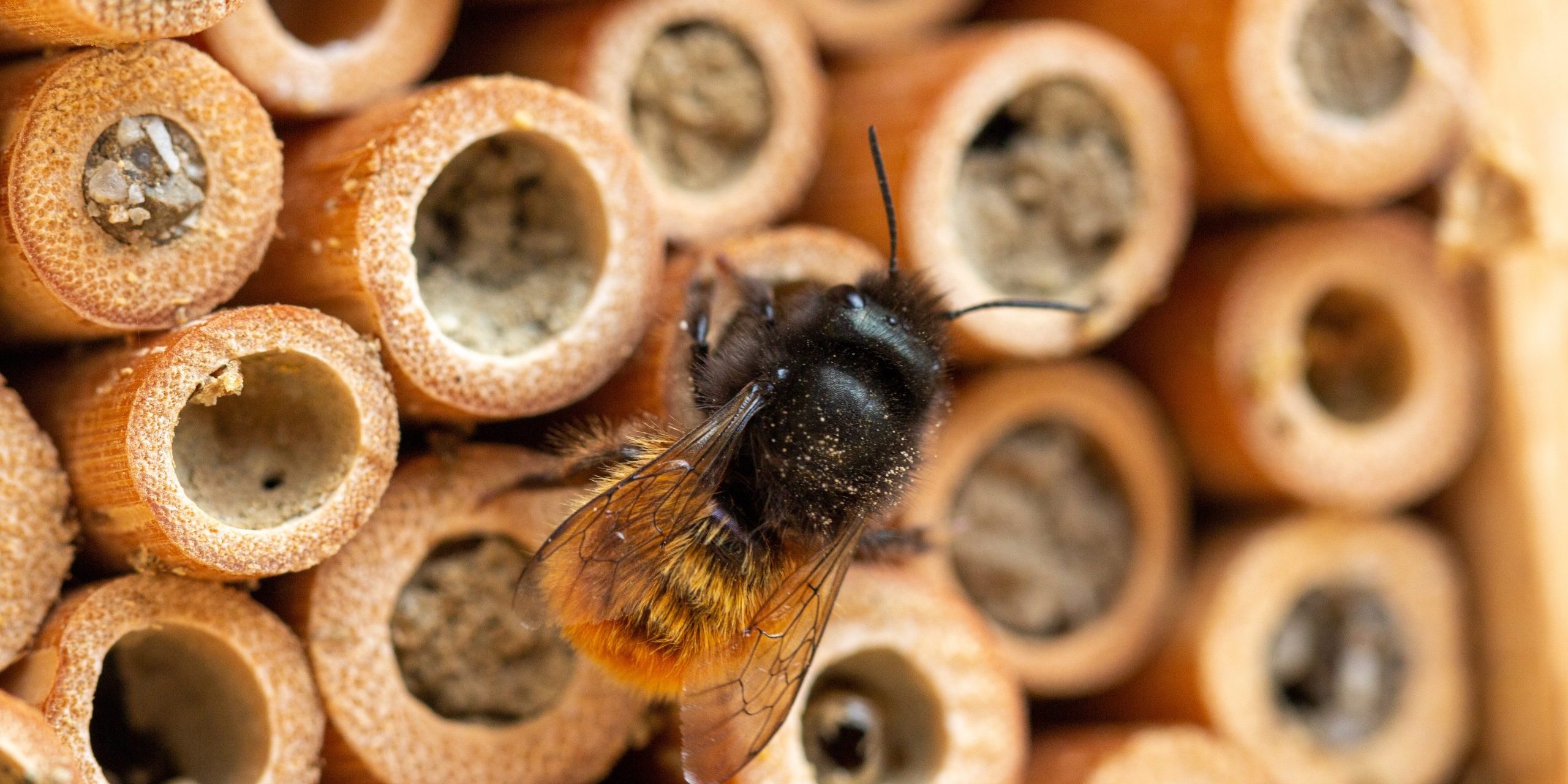
Photo by David Hablützel courtesy of Pixabay.
David Allen
Posted at 08:51h, 21 JulyFrom my In-Box this morning:
This blog was perfect timing! I am advocating for our board to take more ownership with fundraising at Trees For Tomorrow and this blog gave me another perspective!
Thank you!
A.B.
Posted at 08:35h, 21 JulyWhat a wonderful inquiry, David. As someone who came to fundraising after community organizing, I find it odd that “donors” become a monolith when each is a human (or group of humans) with way more depth and nuance than what we callously call their “capacity to give.” In organizing we often draw concentric rings, representing simultaneously a spot in time and directions of motion. There’s typically an “inner circle” of folks who understand / invest / effort most deeply and widening circles of differing understanding / investment / effort as the circles ripple outward. In that frame, people aren’t “better” if they’re further in, they simply are where they are. Our goal is to match the person to the spot that suits them, extending a right-sized offer inward, should they choose, and a right-sized assignment outward, should they be inclined. This model should feel familiar to those protecting precious lands, advocating for eco-sensitive public policy, and inviting us all to discover natural places. Yet we so frequently remove donors from this ecosystem and act like they’re different. To what end? What is that siloed approach reinforcing / protecting? What might happen if we shuffled the deck? (Sorry for mixing metaphors. It’s early and I’ve only had one cup of coffee.) If a Culture of Philanthropy is worth its salt, I hope it is holistic and permeable. All that to say, YES, these are questions worth examining — and we might find questions under those questions if we borrow from other fields / disciplines. Thanks for the wake-up call!