

03 Jun Time to Get Outside!
3 June 2024
By David Allen, Development for Conservation
There’s a reservoir in the high desert of central Oregon where three iconic trout streams come together. The rims of these canyons are 1,500 feet above the surface water and the sheer walls keep going down another 300 feet below. It’s beyond the reach of cell and internet service. The aerial conflicts between the osprey and the bald eagles over territory and food are spectacular and legendary. Spend three days there on a boat and your facial muscles start to relax again.
Every year about this time, I write about how Board members and fundraisers need to give themselves permission to get outside. Most of this post was originally published last year – and the year before that. That’s where I was this weekend, instead of composing an original blog post. (The fish were biting, too.)
There’s a spot in Nebraska on the Platte River where a large percentage of sandhill cranes gather every March on their migratory way from the Gulf of Mexico to their northern breeding grounds. If you creep into a blind before sunrise, you can see upwards of 75,000 individuals within your field of vision. They chatter and squawk about how tired they are and how their feet hurt and where the best fields might be to fatten up again for the final push in the next few weeks. And then shortly before sunrise, they leave – all of them – suddenly, with great flapping and a confused roar of wings, beaks, and skinny legs.
There’s a spot in Wisconsin, about a mile off the road, where an easy walk into the forest will take you to a small glade.
There’s an island in Scotland that you can get to only at low tide, and even then only by wading.
There’s a waterfall in Georgia.
There’s a cave in central Texas
There are two things to know about each of these spots: Each of them is protected. And each of them is mine. They are embedded in my heart, and I carry them wherever I go.
Each was in my head, too, at some point – theoretical, intellectual. The same way I know that there are pyramids in Egypt.
And now having read this, they are in your heads, too. (Stephen King calls this telepathy. A thought or an experience is in a writer’s head, and it moves, sometimes over vast distances and time, and reappears in a reader’s head. I love that thought.)
But they are not in your heart, yet. You don’t own them like I do. You can only own them by being there.
* * * * *
It’s time for my annual reminder that you guys need to get outside. If national statistics still apply to fundraisers, many of you – maybe even most of you – will be reading this within your first several years on the job. And if you are a Board member, consider that this should be part of your orientation.
Is there a project you haven’t seen, a trail you haven’t hiked, or a river calling to you to bring your kayak?
Think about this: you understand conservation easement monitoring, right? At least intellectually? This summer, make it a point to tag along on a monitoring visit with a land steward. So that you understand conservation easements in a different way – in your heart. Own them.
Make your plans now. Now’s the time – GO!
In the thirty-five-plus years I’ve been fundraising for conservation projects all over the country, I’ve had dozens of memorable experiences. Each trip, each experience, each step along the way, I learned a little bit more. Some of it I have remembered in vivid detail and some has faded away. But each place and each wonder has become “mine” in some interesting and important way – embedded in my heart.
By going there, and by looking and learning, these theoretical third-person “head” narratives became first-person “heart” testimonials. Instead of “I learned about,” it has become “I saw, I heard, I smelled, I felt, and when I was there ...”
Whether you are an Executive Director, another staff member with fundraising responsibilities, or a Board member, giving yourself permission to make these stories personal by visiting the sites for which you need to raise money will help you a lot. You will become more effective when you talk about them. It will help you imagine taking donors there – so they can “own” them, too.
And it will keep you motivated.
If you are a Board member, I have a special challenge for you. Ask a staff land steward or local naturalist to take you on a tour of one of the preserves your organization is protecting and show you the conservation values there. Go on an organized field trip if there is one.
Then, within four weeks, LEAD a similar field trip to the same location. Knowing you will be leading one will help you listen the first time with a different level of attention and remember different things about the site. Note that the people going with you on the second trip could be anyone – friends, family, neighbors, work colleagues. The point is to practice, and your trip will have value regardless who comes along. And encourage your fellow Board members to do the same.
The point is – GO!
Now’s the time. Find your story. (Hint: This is the fun part!)
Get these projects out of your head and into your heart.
If you supervise others, give them permission. Give everyone the afternoon off one day and show them one of the lesser-known projects. (You get extra points if you take a Board member with you!)
Change their perspectives from third to first-person, too.
It will keep your entire team motivated.
Getting yourself outside is enormously helpful for fundraising.
My son once told me that he wanted to share something with me because it helped make it real for him. I knew immediately what he meant.
You need to do the same thing and for the same reason.
And then you can do it for donors.
Cheers, and have a great week!
-da
PS: Your comments on these posts are welcomed and warmly requested. If you have not posted a comment before, or if you are using a new email address, please know that there may be a delay in seeing your posted comment. That’s my SPAM defense at work. I approve all comments as soon as I am able during the day.
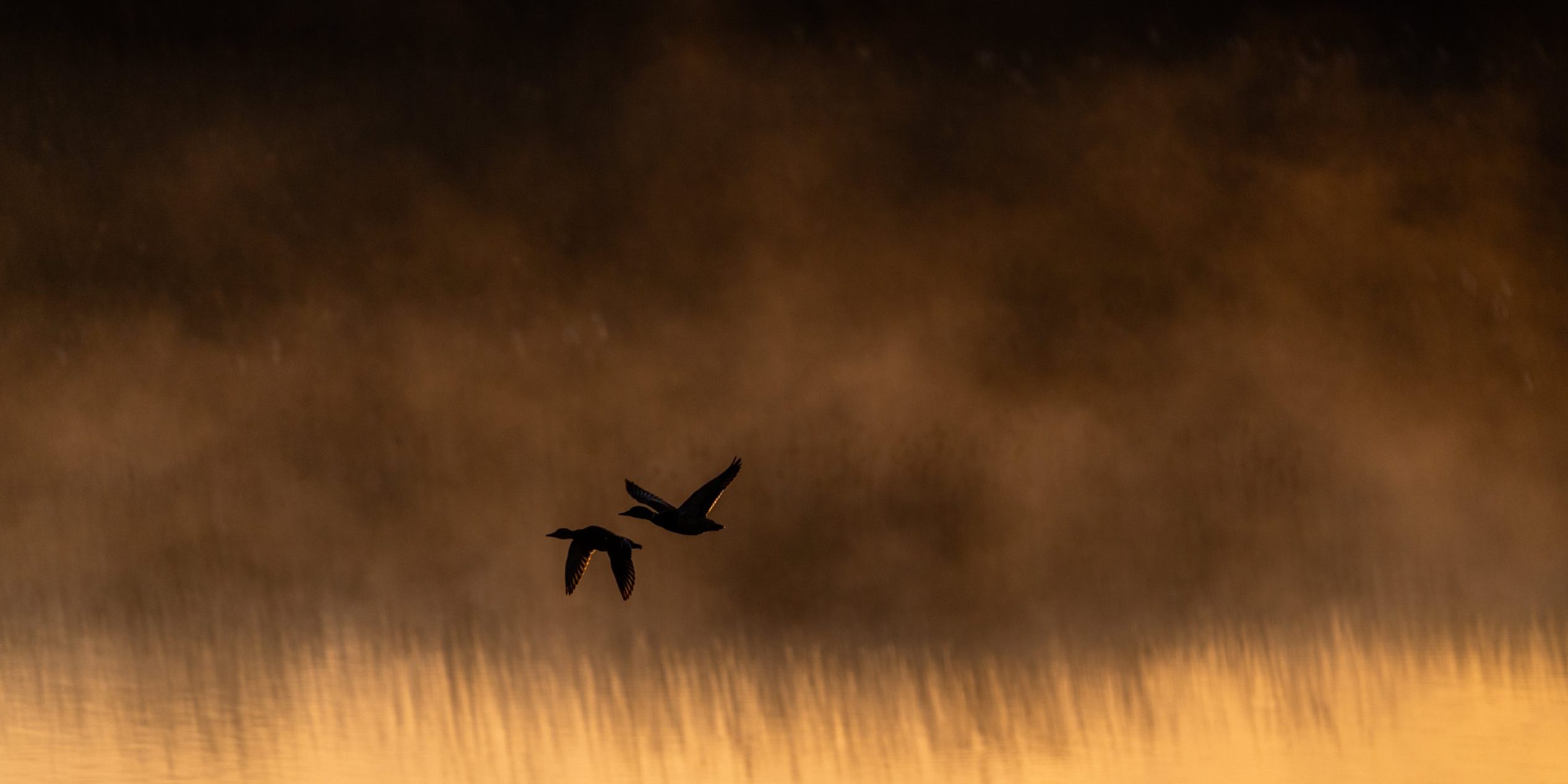
Photo by Ian Livesey courtesy Pixabay
Mark Mittelstadt 608-212-7241
Posted at 08:42h, 17 JuneGood article and suggestion re getting outside. (And I share Jill’s concern about timing, but in reverse — In Wisconsin we don’t want to get our donors stuck in a snowbank until spring…)
The term “conservation values” seems to get used in a couple different ways, and I’d appreciate your take on it. One meaning relates to the term is re the statements for IRS to make the easement value deductible. The other is more about specific features. In forests for example, it might include nesting cavity trees, old growth areas, trees with ecologic significance, uncommon natural areas, rare species, BMPs etc. Is there a term, different from Conservation Values, which is normally used to describe such features?
Carol Abrahamzon
Posted at 13:31h, 03 JuneWe properly train all staff and most board members to help with annual monitoring. That way everyone gets on at least one property a year. Many board members take several properties and love getting out to the far corners. For fundraising staff, it’s also an opportunity to f meet with and build a relationship with a landowner.
Jill Boullion
Posted at 08:22h, 03 JuneI always love this reminder, David, and we’ve been making it a priority to get more people to our land. But, I always get a good laugh about how your timing is counter to our weather! We’re hunkered down here in SE Texas until at least September/October so we don’t risk the heat damaging our donor relationships!! Cheers!